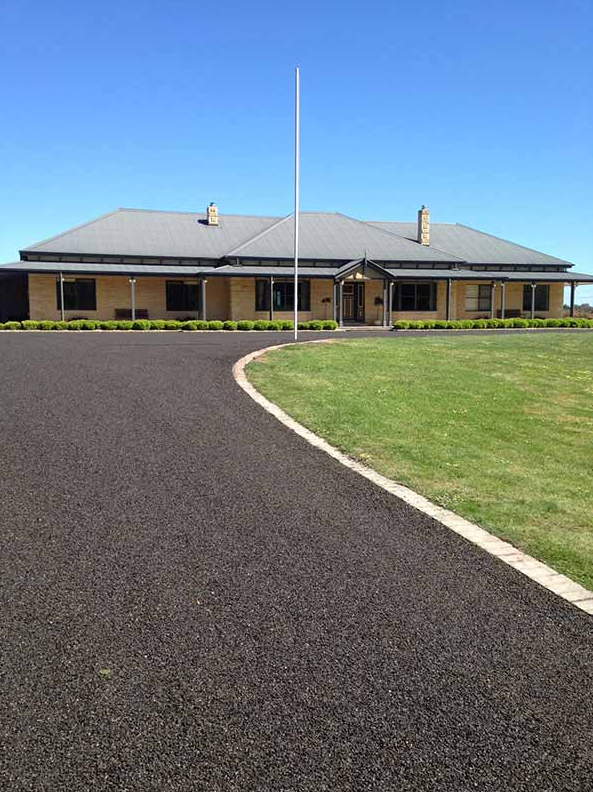
An unsealed road can provide practical access, but its condition can change considerably with regular traffic and exposure to weather. Loose material can move under vehicle tyres, dust can become an ongoing problem, corrugations and potholes may develop, and rainfall can contribute to erosion or soft sections. Over time, maintaining a consistent driving surface can become increasingly difficult.
For roads and access surfaces in Campbellfield, VIC, sealing an appropriately prepared unsealed road can provide a more stable, dependable and manageable surface. The quality of the outcome, however, depends heavily on preparation. Grading, drainage, pavement strength and compaction all need to be considered before the final sealed surface is applied.
Why Consider Sealing an Unsealed Road?
The main difference between an unsealed and sealed road is how the surface responds to traffic and environmental exposure.
On an unsealed road, vehicle tyres travel directly over the pavement material. Fine particles can become airborne, aggregate can move and repeated wheel movements can alter the road profile.
A properly constructed sealed surface creates a protective wearing layer over the prepared pavement. Depending on the site and its intended use, this may involve asphalt or a bitumen spray and seal treatment.
The result is a road surface that is generally easier to drive on and better protected from the direct effects of regular vehicle movements and rainfall.
1. A More Stable Driving Surface
One of the most noticeable benefits of sealing an unsealed road is improved surface consistency.
Loose road material can shift under braking, acceleration and turning. Regular traffic can also create wheel tracks, corrugations and other irregularities.
A professionally sealed surface binds or covers the prepared pavement to create a more stable traffic area.
For drivers, this can mean:
- A smoother travelling surface
- Less loose aggregate
- More consistent vehicle movement
- Fewer abrupt changes in surface texture
- Improved usability for regular access
The road still needs an appropriately constructed foundation underneath. Sealing cannot compensate for a weak or unstable pavement base.
2. Reduced Dust from Regular Traffic
Dust is one of the most obvious characteristics of many unsealed roads.
As vehicles travel over dry pavement material, fine particles can become airborne. The amount of dust generated can increase with traffic frequency, dry conditions and deterioration of the road surface.
Sealing separates vehicle tyres from the loose fine material underneath, substantially reducing the mechanism that creates road dust.
For frequently used access roads, this can make the surrounding environment more manageable while providing a cleaner traffic surface.
3. Better Protection Against Water Penetration
Water can have a significant effect on an unsealed pavement.
Rainfall can penetrate exposed surface material, contribute to erosion and weaken sections of the pavement when drainage is inadequate. Traffic passing over wet or softened areas can then cause further deformation.
A correctly installed asphalt or bitumen surface provides a protective layer that helps limit direct water penetration through the road surface.
However, sealing is only one part of effective water management.
Drainage Still Matters
A sealed road needs to direct rainfall away efficiently.
If water is allowed to remain on the surface or collect along pavement edges, deterioration can still occur.
Before sealing, consideration should therefore be given to:
- Road levels
- Crossfall
- Low points
- Existing drainage paths
- Pavement edges
- Areas where water currently collects
The objective is not simply to prevent water entering from above, but to help water move away from the road in a controlled manner.
4. Less Loose Material Moving Across the Road
Loose aggregate can migrate across an unsealed road as vehicles accelerate, brake and turn.
Material may gradually move away from wheel paths or collect along road edges. This can contribute to an uneven surface and increase the need for grading.
Sealing stabilises the upper pavement surface so traffic is no longer travelling directly across loose road material.
This can be particularly valuable on regularly used roads where repeated vehicle movements continually disturb the surface.
5. Reduced Development of Corrugations
Corrugations are the repeated ridges and depressions that can develop across an unsealed road.
Once established, they can make vehicle travel noticeably rougher. Regular traffic can continue reinforcing the uneven pattern, particularly where vehicles repeatedly travel at similar speeds or follow the same wheel paths.
Grading can restore the road profile, but an unsealed surface remains exposed to the conditions that allowed corrugations to develop in the first place.
Once the pavement has been properly prepared and sealed, vehicle tyres travel over the finished surface rather than directly disturbing loose pavement material.
6. Greater Resistance to Surface Erosion
Rainfall moving across an exposed road can carry fine material away from the pavement.
Over time, erosion can contribute to channels, depressions, exposed aggregate and deterioration around road edges.
A sealed wearing surface provides additional protection for the prepared pavement underneath.
The road still needs appropriate levels and drainage so rainfall does not become concentrated in vulnerable areas, but sealing can significantly reduce direct erosion of the traffic surface itself.
7. Easier Routine Maintenance
Unsealed roads require maintenance because their exposed surface continually responds to traffic and weather.
Depending on the condition of the road, this can involve grading, reshaping, pothole repairs and restoring displaced pavement material.
A sealed road has different maintenance requirements. Cracks, isolated potholes, edge deterioration and surface wear may eventually need attention, but routine maintenance is generally focused on preserving the sealed pavement rather than repeatedly reshaping loose material.
Timely repairs remain important. A sealed surface should be inspected periodically so developing defects can be addressed before they affect larger areas.
8. Improved Performance During Wet Conditions
An unsealed road can change considerably after rainfall.
Soft sections, potholes, rutting and erosion may develop where water enters or remains within the pavement. Regular vehicle movements can make these problems worse while the surface is wet.
A well-constructed sealed road provides a more consistent barrier between traffic and the prepared pavement underneath.
This does not make the road unaffected by wet conditions. Drainage, base construction and maintenance remain essential. However, a suitable sealed surface can provide more dependable access by protecting the pavement from direct traffic disturbance during wet periods.
9. A More Defined Road Surface
Sealing can also create a more clearly defined traffic area.
An unsealed road can gradually lose its original profile as material moves towards the edges or vehicles begin travelling outside established wheel paths.
Professional preparation and sealing establish a defined pavement width and finished road profile.
This can improve the overall presentation of the surface while also helping keep regular vehicle movements within the intended traffic area.
10. Better Suitability for Frequent Vehicle Use
The more frequently an unsealed road is used, the greater the potential for surface material to be disturbed.
Repeated traffic can accelerate:
- Dust generation
- Corrugation
- Loose aggregate movement
- Rutting
- Pothole development
- Surface deformation
Where a road has become a regularly used access route, sealing may provide a surface better suited to ongoing traffic demands.
The appropriate construction still depends on the type and frequency of vehicles expected to use the road.
Is Every Unsealed Road Ready to Be Sealed?
No. An existing road should be assessed before asphalt or bitumen is applied.
Sealing over a poorly prepared or unstable surface can leave underlying problems unresolved.
Before sealing, the road may require attention to:
- Soft or unstable areas
- Potholes
- Deep ruts
- Corrugations
- Insufficient pavement material
- Poor surface levels
- Drainage problems
- Inadequate compaction
The road needs to provide suitable support for the finished surface.
Why Grading May Be Required First
Grading can be an important part of preparing an existing unsealed road for sealing.
It allows the pavement profile to be reshaped, irregularities to be corrected and suitable surface levels to be established.
Where necessary, additional pavement material may also be required before final compaction.
The objective is to create a stable and appropriately shaped foundation rather than use the new sealed layer to hide an uneven road.
Choosing Between Asphalt and Spray & Seal
Both asphalt and bitumen spray and seal can be used to create sealed traffic surfaces, but they are different systems.
Asphalt consists of aggregate combined with a bituminous binder and is placed and compacted to form a dense wearing surface.
Spray and seal generally involves applying a bituminous binder to the prepared pavement followed by aggregate, which is rolled into the surface.
The appropriate option depends on factors such as:
- Existing pavement condition
- Intended road use
- Traffic movements
- Required surface characteristics
- Site layout
- Pavement construction
Rather than selecting a treatment based only on appearance, the road should be assessed to determine which surfacing approach suits its actual use and condition.
Sealing Does Not Replace Good Road Construction
The finished surface is only one component of a reliable road.
Even high-quality asphalt or bitumen surfacing can experience problems if the pavement underneath is unstable or water is not managed effectively.
A professionally sealed road therefore begins with preparation.
The process may involve assessing the existing road, correcting failed areas, grading, improving the profile, preparing the pavement, compacting the surface and ensuring drainage is suitable before the final treatment is installed.
This foundation work is fundamental to the performance of the completed road.
When Is It Worth Considering Road Sealing?
Sealing may be worth assessing when an unsealed road is experiencing recurring problems such as:
- Excessive dust
- Frequent corrugations
- Loose surface material
- Repeated potholes
- Rutting
- Surface erosion
- Difficult wet-weather access
- Regular grading requirements
- Increasing traffic use
No single sign automatically means sealing is necessary. The overall condition and intended use of the road should guide the decision.
Professional Road Sealing in Campbellfield, VIC
A successful road sealing project involves more than applying asphalt or bitumen over an existing unsealed surface.
Campbellfield Road Tech provides professional asphalt and bitumen surfacing services in Campbellfield, VIC, with attention to pavement preparation, grading, drainage, compaction and the intended use of the completed road.
Assessing the existing surface first allows unstable areas and other problems to be identified before the sealing work begins. This helps ensure the selected treatment is appropriate for the road rather than simply covering existing defects.
Conclusion
Sealing an unsealed road can provide several practical benefits, including a more stable driving surface, significantly reduced dust, less loose material, improved protection against water penetration and erosion, and a surface better suited to frequent vehicle use.
The quality of the finished road depends heavily on what happens before it is sealed. Existing potholes, corrugations, weak areas, drainage problems and uneven levels should be addressed so the asphalt or bitumen surface is installed over a properly prepared pavement.
For unsealed roads and access surfaces in Campbellfield, VIC, Campbellfield Road Tech can assess the existing pavement and determine whether asphalt, spray and seal bitumen or further preparation is appropriate. Professional assessment and preparation can help turn a deteriorating unsealed road into a smoother, more stable and dependable traffic surface.
Call us on: 03 9068 7895
Click here to find out more about Campbellfield Road Tech
Click here to complete our contact form and see how we can help with your driveway needs.